Laboratory and Applied Research on Biomass, Polymer Waste, and Rubber Waste Processing

Find out the price

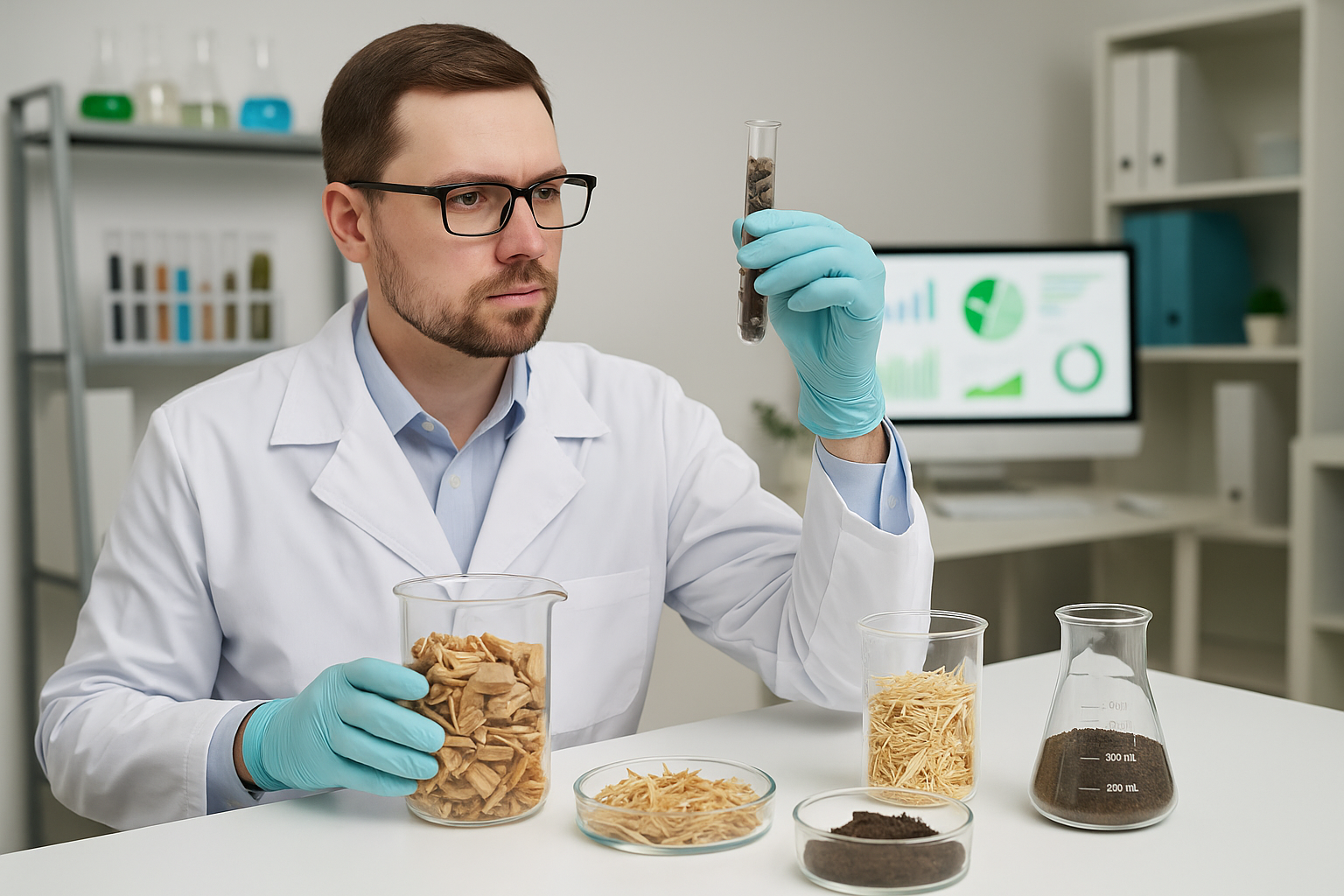
GreenPower offers a comprehensive range of services for the research and optimization of processing technologies for various types of raw materials, including:

  • Biomass: agricultural residues, wood waste, and other lignin-containing materials
  • Polymer waste: polypropylene, polyethylene, polystyrene, and similar materials
  • Rubber technical products (RTP): used tires and other rubber-based wastes
  • Sludge waste: residues from industrial or municipal wastewater treatment
  • Other carbon-containing materials

We support the full technological cycle — from feedstock evaluation to the development of optimal thermal processing parameters, including:

  • Feedstock preparation: grinding, crushing, mechanical activation
  • Drying: determining the optimal drying characteristics of the feedstock
  • Briquetting: assessment of feedstock suitability, briquette formation quality, and post-briquetting properties
  • Pyrolysis: evaluation of raw material behavior and carbonized residue properties, identification of optimal pyrolysis parameters, and analysis of liquid and gas fractions
  • Activation: assessment of the suitability of char for activation processes to produce activated carbon
Comprehensive Feedstock Testing and Analysis

As part of our laboratory research, we analyze:

  • Moisture, ash content, volatile matter, and higher heating value (HHV)
  • Particle size distribution
  • Lignin content and briquetting potential
  • Binder requirements for briquetting
  • Mechanical strength and bulk density of raw materials, briquettes, and charcoal
  • Effectiveness of grinding, drying, and pyrolysis processes

Technological Process Modeling

On our in-house laboratory platform, we conduct controlled testing of the following stages:

  • Grinding – selection of equipment and parameters
  • Drying – determining optimal pre-treatment regimes
  • Briquetting – development of formulations, pressure parameters, and binder usage
  • Torrefaction – temperature, time, atmosphere
  • Pyrolysis – temperature profiles, residence time, atmosphere
  • Char activation – key parameters for producing activated carbon

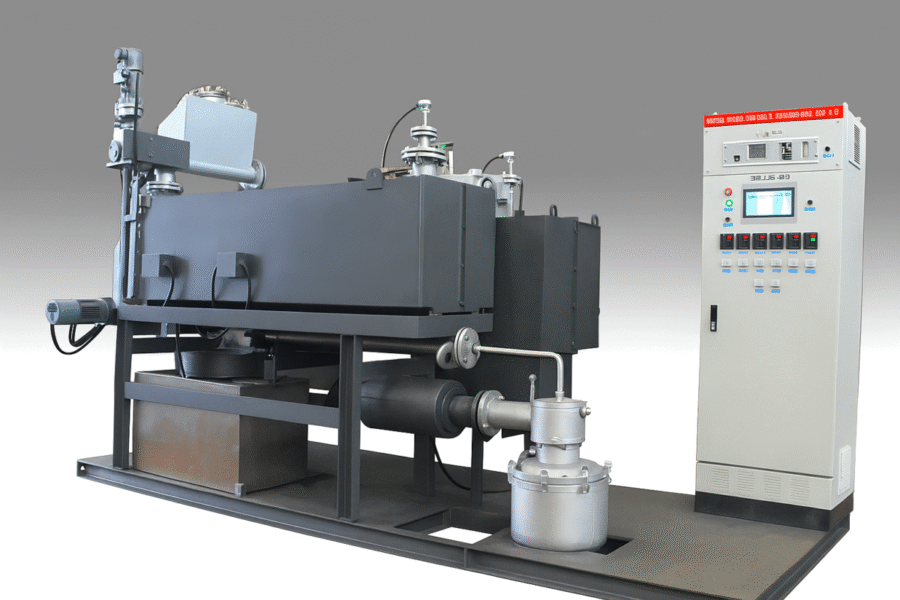
We use a laboratory-scale pyrolysis unit to simulate and analyze each processing step

Quality and Safety Control

To ensure compliance with environmental and industrial standards, we conduct:

  • Heavy metal analysis
  • Detection of PAHs, organochlorine compounds, and other hazardous substances
  • Assessment of product certification potential (e.g. IBI, EBC, REACH)

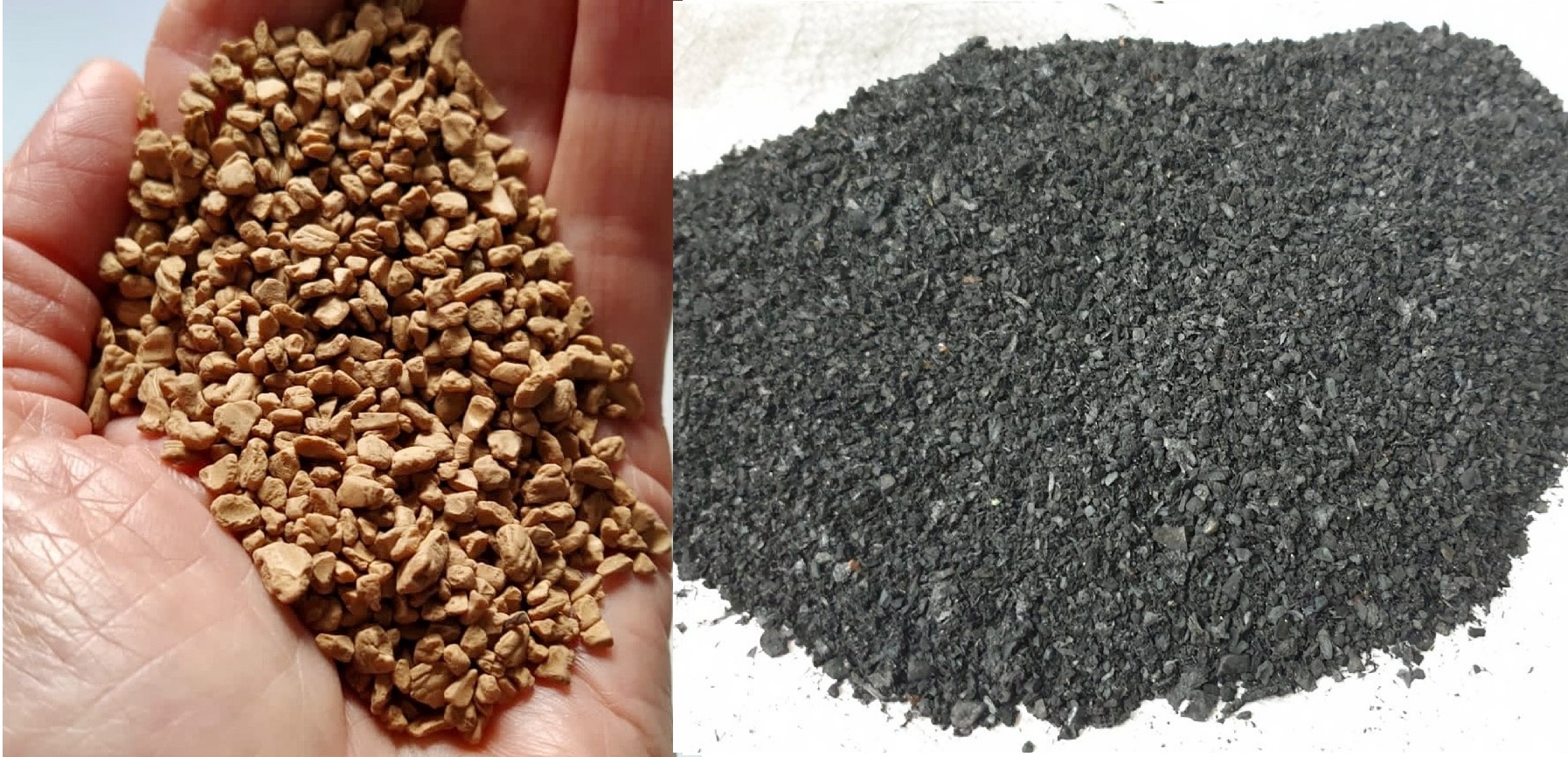
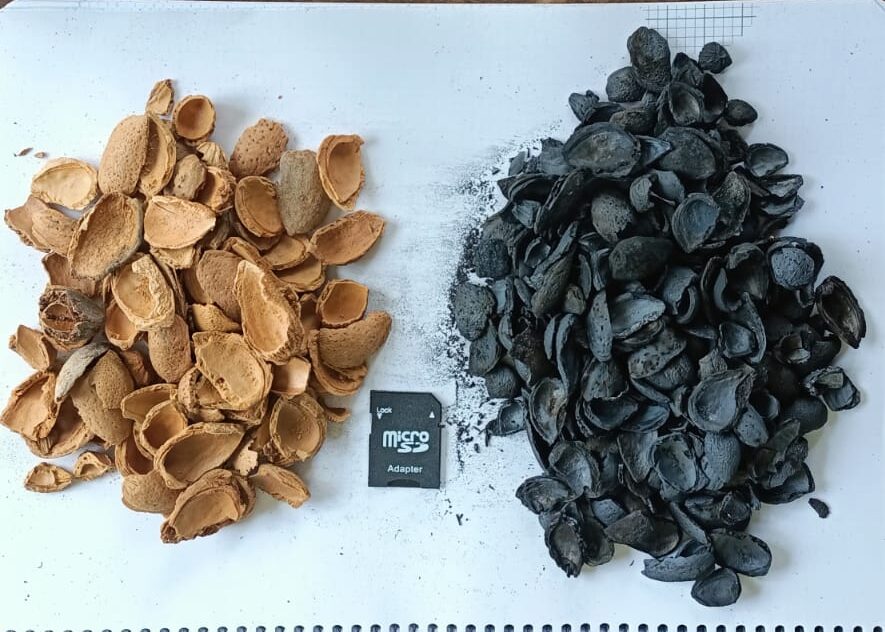
Evaluation of almond shell properties after pyrolysis

Crushed olive pit — before and after pyrolysis

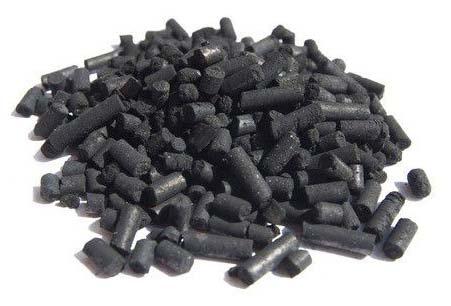
Carbonized wood pellets

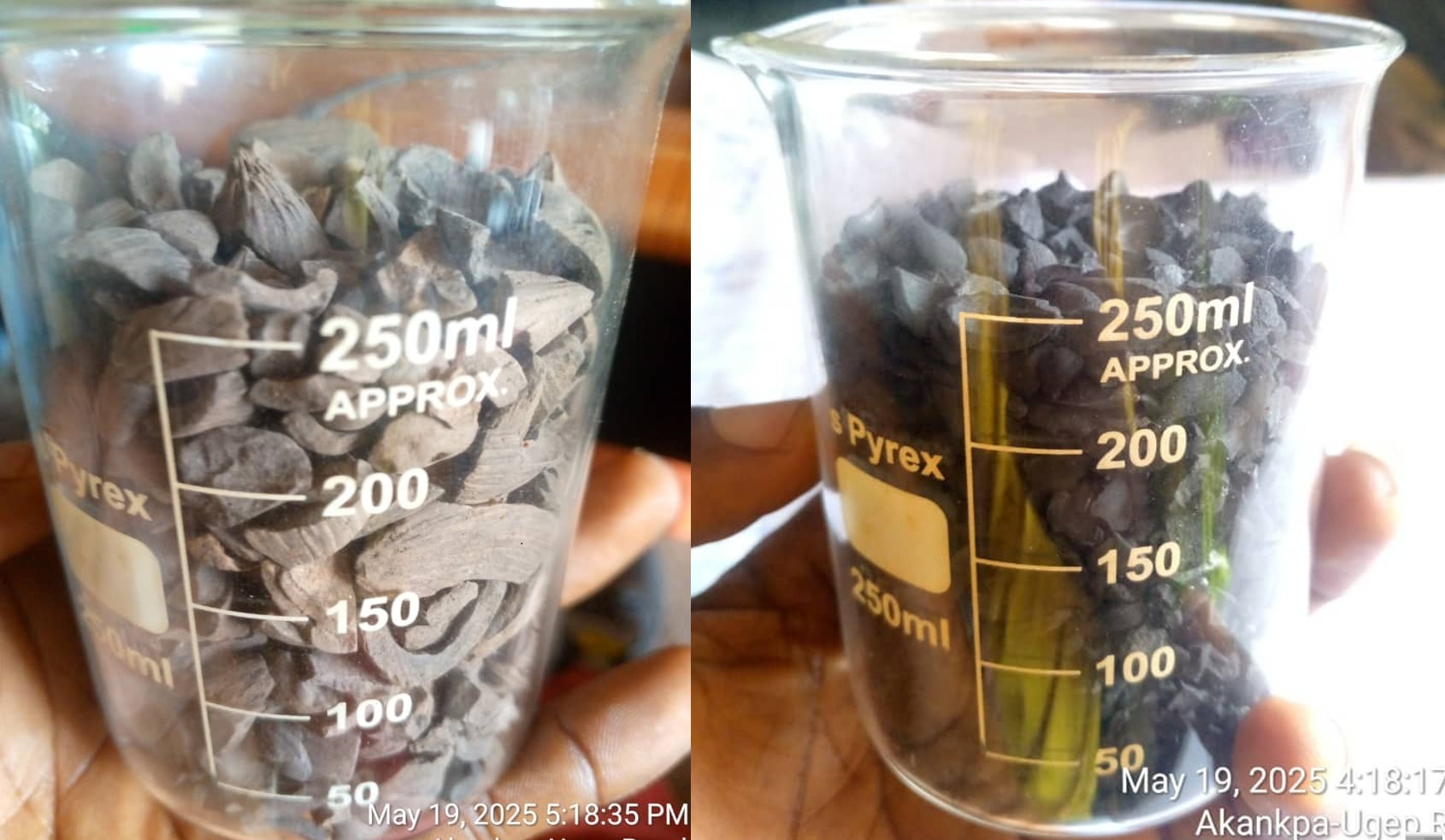
Palm Kernel Shell — before and after pyrolysis

Reporting and Recommendations

Upon completion of testing, we provide:

  • A detailed technical report on the feedstock’s suitability
  • Recommendations for each stage of the processing chain
  • Optimal regimes and formulations for achieving the desired product quality
  • Char yield calculations, qualitative description of the carbon product, and assessment of pyrolysis energy efficiency
  • Support for industrial implementation of the technology

Want accurate data on your feedstock and to avoid costly mistakes in your project?

Send us your request — and we will provide a detailed expert evaluation of the technological suitability and processing potential of your feedstock in the shortest possible time.